19 Nov 2026
Hybrid Incentive Models Emerging Between Live Dealer Roulette and Mobile Sports Wagering
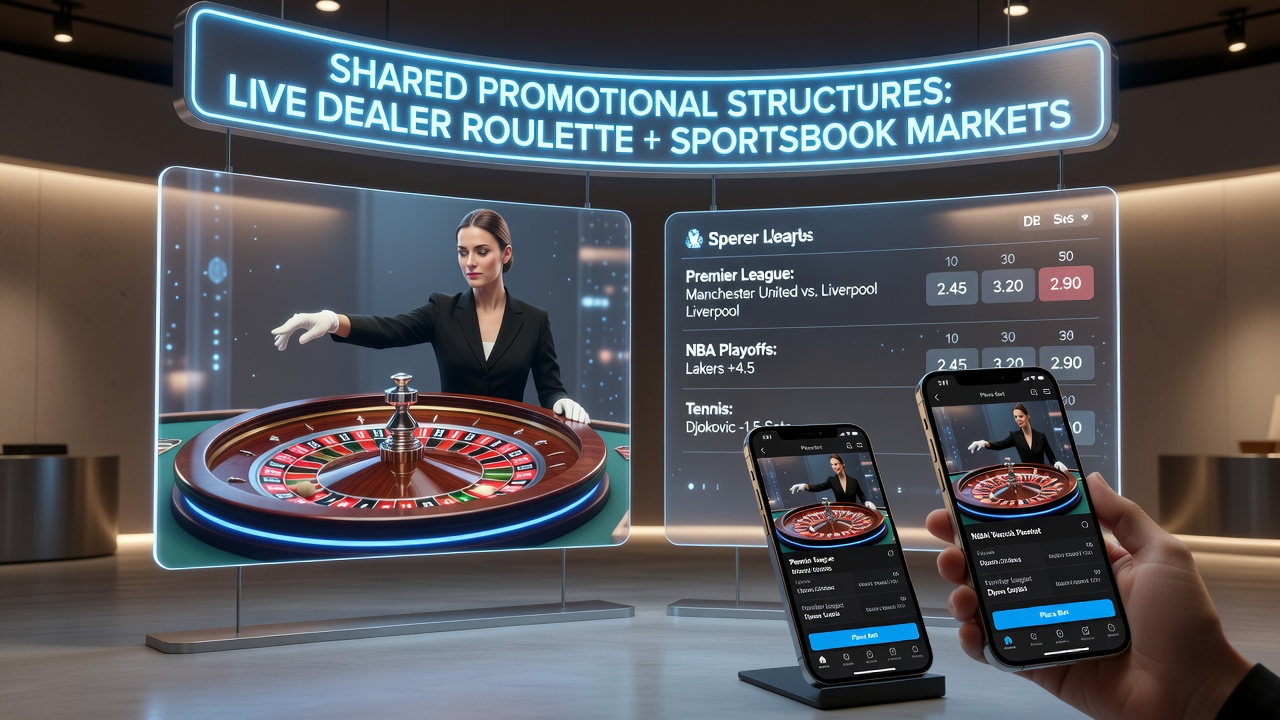
Shared promotional structures now connect live dealer roulette sessions directly to sportsbook markets through mobile platforms, and this integration has accelerated in several regulated jurisdictions since early 2025. Operators design unified reward systems where bets placed on roulette wheels generate credits applicable to sports wagers, while event outcomes in football or basketball unlock multipliers for table game play. Data from industry monitoring services shows that such crossovers appear in apps operated by major platforms across North America and parts of Europe, with activity levels rising notably during peak sports seasons.
Mechanics of Combined Reward Systems
These structures operate through tiered loyalty programs that track activity across both verticals in a single user account, and mobile interfaces display progress toward shared milestones such as deposit matches or free spin bundles. A player completing a set number of roulette spins during a live session receives bonus funds that carry over to an upcoming basketball matchup, while successful parlay wins trigger cashback percentages redeemable at the roulette table. Regulatory filings indicate that these mechanics comply with rules requiring clear separation of game categories yet permit unified tracking for player retention purposes.
Regional Implementation Patterns
In jurisdictions like New Jersey and Ontario, operators have rolled out these merged promotions with approval from local gaming authorities, and similar frameworks appear in Australia under oversight from state-based commissions. Observers note that November 2026 brought several platform updates timed with major international tournaments, during which roulette-to-sports conversion rates increased according to aggregated transaction logs. European markets, particularly in Malta and Sweden, follow parallel models where bonus wagering requirements span both live dealer and event betting categories without violating single-game restrictions.
Payment processing systems handle the flow between verticals through unified wallets, and this setup reduces friction for users who switch between roulette streams and live odds boards within the same app session. Research from the Australian Gambling Research Centre highlights that such wallet integration correlates with higher session durations across participating operators, though exact figures vary by market maturity and player demographics.
Technical and Compliance Considerations
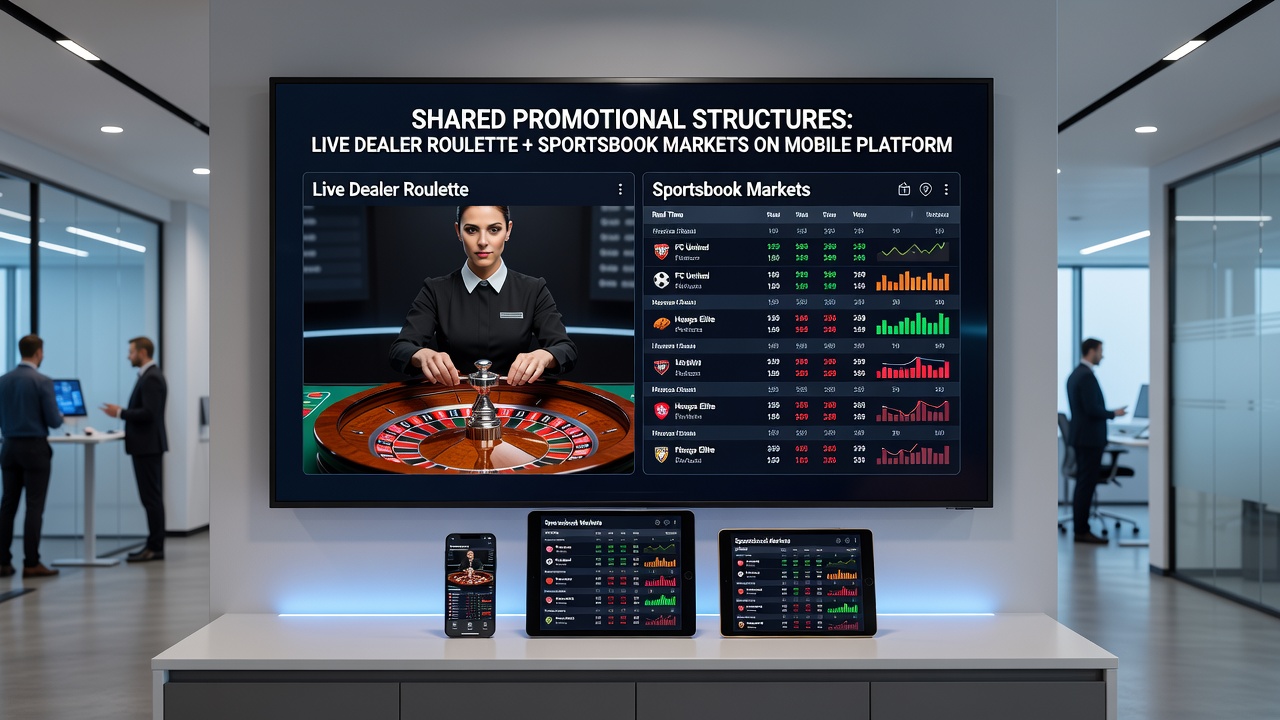
Mobile developers incorporate real-time data feeds that synchronize roulette outcomes with sportsbook interfaces, allowing promotional triggers to activate instantly across both features. Compliance teams verify that each promotional element meets jurisdictional standards for fairness and transparency, and this often involves third-party audits of random number generators alongside odds compilation processes. One case documented in industry reports involved a North American operator adjusting its shared bonus structure after feedback from the Nevada Gaming Control Board regarding minimum playthrough thresholds.
Security protocols extend to biometric verification steps that apply uniformly whether a user enters a live dealer room or places a wager on a tennis match. These measures address concerns around account sharing while supporting the seamless transfer of promotional value between game types.
Player Behavior and Market Data
Analytics platforms tracking mobile gaming reveal that users engaging with merged promotions tend to maintain activity across both roulette and sportsbook sections rather than concentrating on a single vertical. Figures released by the Canadian Gaming Association in mid-2026 indicated steady growth in hybrid session counts, particularly among users aged 25 to 40 who access apps via tablets during evening hours. Such patterns emerge consistently in markets where operators have obtained licenses permitting integrated marketing approaches.
Additional studies from academic sources, including working papers issued by the University of Nevada Reno's gaming research group, examine how these structures influence deposit frequency and average wager sizes. The findings point to measurable shifts in play distribution without altering overall responsible gaming metrics tracked by operators.
Future Outlook Through Late 2026
Platform updates scheduled through the remainder of 2026 include expanded use of personalized promotional paths that adjust based on individual roulette and sports activity histories. Regulators in multiple regions continue to review these developments to ensure they align with existing player protection frameworks, and industry associations have begun drafting best-practice guidelines for shared reward transparency. Mobile adoption rates for these hybrid models are expected to remain elevated as more operators secure the necessary approvals and technical integrations.
Conclusion
Shared promotional structures represent a documented evolution in mobile gaming architecture, linking live dealer roulette with sportsbook markets through coordinated incentives and unified account systems. Available data from regulatory filings and industry monitoring services demonstrates consistent implementation across approved jurisdictions, with ongoing adjustments driven by compliance requirements and user transaction patterns. These frameworks continue to develop within established legal boundaries as operators refine their offerings through the end of 2026.