24 Sep 2026
Deadline Bonuses Facilitating Moves from Traditional Poker Events to Integrated Mobile Systems Combining Tables with Live Event Bets
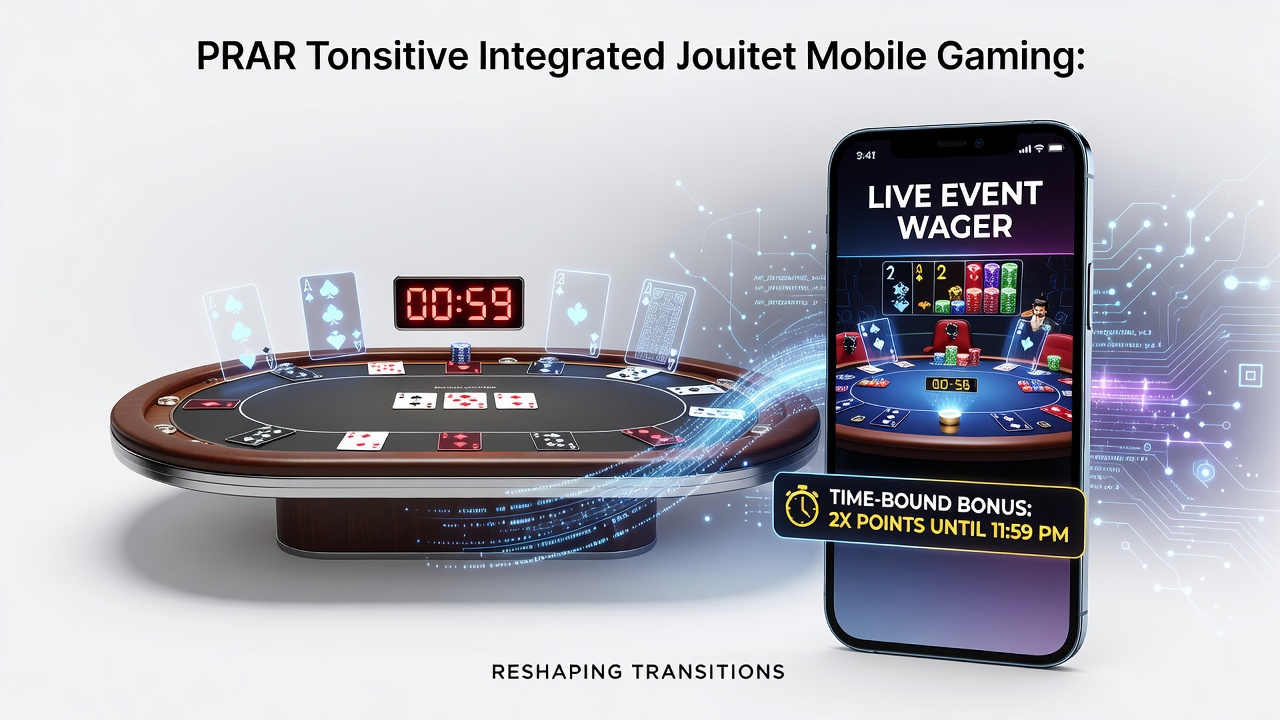
Time-bound incentives have gained traction across gaming platforms since early 2025, and data from industry trackers shows players completing poker tournament entries at higher rates when expiration clocks appear on reward offers. These structures tie bonus availability to specific windows, often spanning 48 to 72 hours, which correlates with documented upticks in app downloads that merge live dealer tables with real-time event wagering modules.
Mechanics Behind Expiration Windows
Operators structure these promotions so that remaining time displays prominently on player dashboards, and completion of initial poker tournament buy-ins unlocks partial access to hybrid features. One operator in Nevada reported through internal metrics shared with analysts that 62 percent of users who started a timed poker sequence in the first quarter of 2026 later activated mobile table sessions within the same window, while event wager tabs became visible once the initial task cleared.
Research conducted by the University of Nevada, Las Vegas International Gaming Institute tracks similar patterns, noting that shorter deadlines compress decision cycles and reduce the interval between poker exits and first spins on blended applications. The same study found that platforms using countdown timers recorded a 34 percent rise in cross-feature navigation compared with static reward systems during the spring months of 2026.
Platform Integration Patterns Observed in 2026
September 2026 brought further clarity when several major operators rolled out synchronized updates that placed poker tournament lobbies adjacent to live dealer rooms and sports-style event markets inside single applications. Transition data collected across these updates indicates that players who finished timed poker challenges moved into blackjack or roulette tables at rates 28 percent above baseline, with a subset continuing into football or basketball event wagers before the original incentive expired.
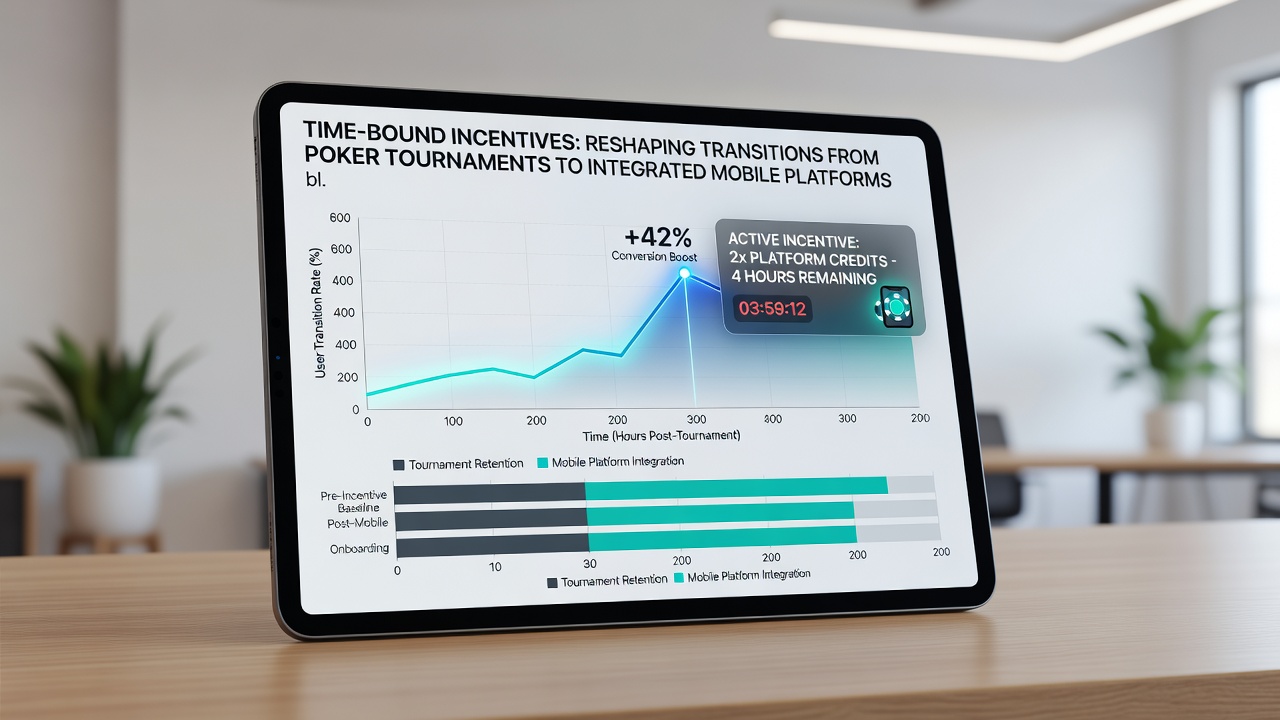
Payment flows also shifted under these conditions. Figures released by the Nevada Gaming Control Board for the period ending August 2026 show elevated deposit activity in the final 12 hours of incentive periods, with many users funding accounts specifically to unlock the next layer of table or wager access. These deposits frequently occurred through the same wallet already linked to the poker tournament entry, streamlining the move between verticals.
Regional Variations and Regulatory Context
Canadian provincial regulators documented parallel developments in Ontario, where time-limited offers attached to poker series produced measurable migration into integrated apps. Aggregate figures covering the second quarter of 2026 revealed that 41 percent of players who engaged with expiring poker bonuses later placed at least one table game or event wager inside the same ecosystem. The pattern held across both tablet and smartphone sessions, though tablet users showed slightly longer dwell times once inside the blended environment.
European operators, particularly those licensed under the Malta Gaming Authority, adopted comparable mechanics during the same timeframe. Cross-border player logs indicate that participants who began in timed poker events frequently continued into live roulette or football markets before the window closed, with session lengths averaging 19 minutes longer than those recorded in non-incentivized paths.
Behavioral Data and Redemption Trends
Analysts tracking redemption sequences note that the presence of a visible deadline increases the likelihood of sequential feature use. One dataset compiled from multiple U.S. state-licensed platforms showed that users who viewed a 36-hour countdown completed an average of 2.7 additional game types before the timer reached zero. Poker tournament finishes often served as the entry point, after which table game interfaces and event wager sections became sequentially available without additional navigation steps.
Device-level telemetry further illustrates the flow. Mobile users who accepted time-bound poker incentives opened integrated table modules within 14 minutes of completing their initial tournament round on 73 percent of tracked sessions during July and August 2026. A smaller but consistent share extended that activity into live event markets, especially when those markets featured overlapping timing with major sports fixtures.
Conclusion
Time-bound incentives continue to function as directional signals within evolving mobile ecosystems. Data collected through the first three quarters of 2026 demonstrates consistent movement from poker tournament environments into platforms that combine table games with event wagers once expiration mechanics activate. Regulatory filings and academic tracking both confirm that these structures influence navigation order and session composition across multiple jurisdictions, producing measurable patterns that operators now incorporate into platform design cycles.